Key points
- For casual bowling, the centre provides shoes and balls: just come in comfortable clothes.
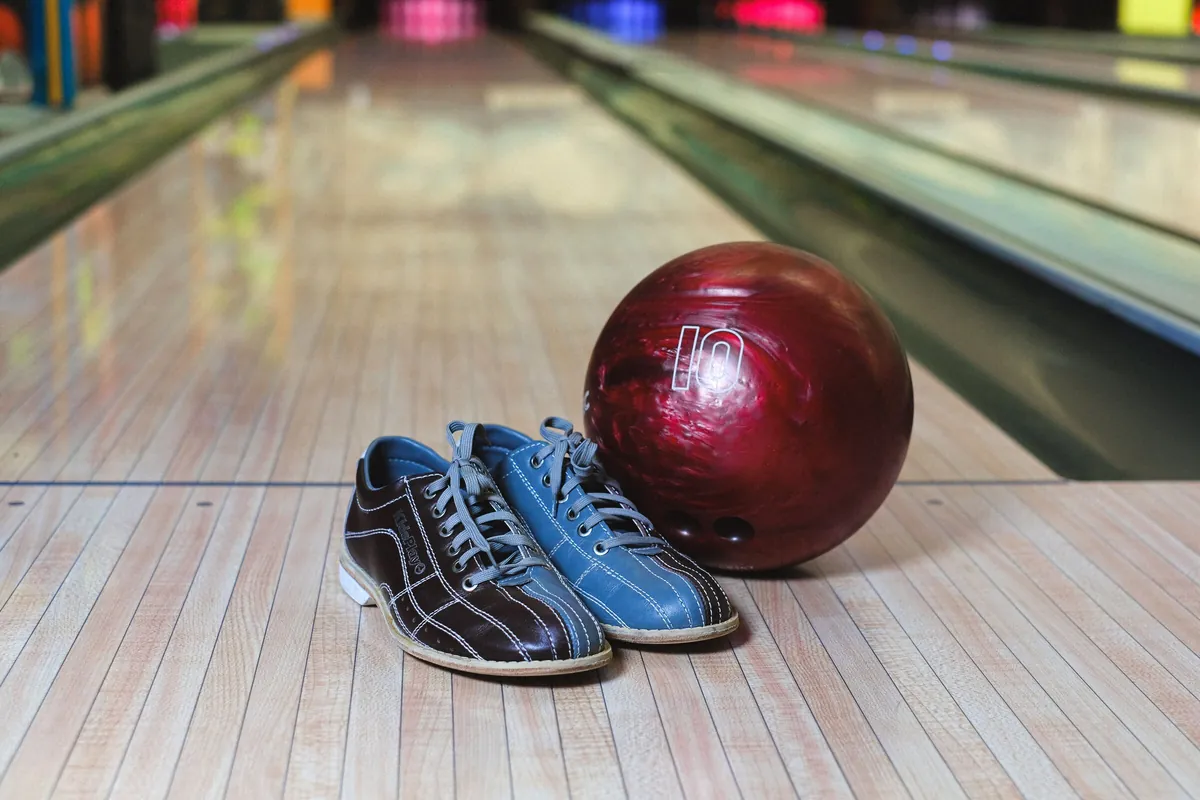
- To improve, the two priority purchases are a pair of shoes and a ball drilled for your hand.
- Choose your bag according to the number of balls: 1, 2, 3 balls or more, with or without wheels.
- Useful accessories: microfibre towel, ball cleaner, grip or finger inserts, wrist support.
- A bowling ball weighs at most 16 lb (7.26 kg); a roller bag quickly becomes essential once you have two balls.
What equipment do you need to go bowling?
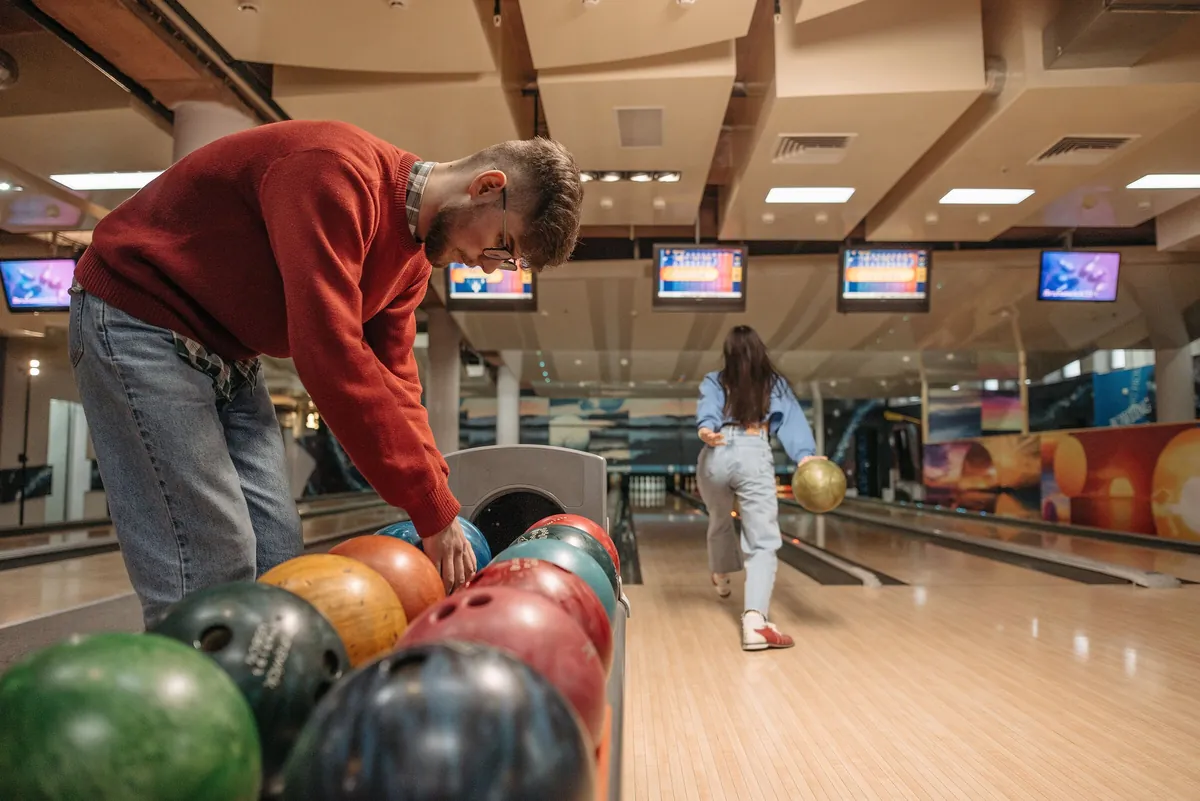
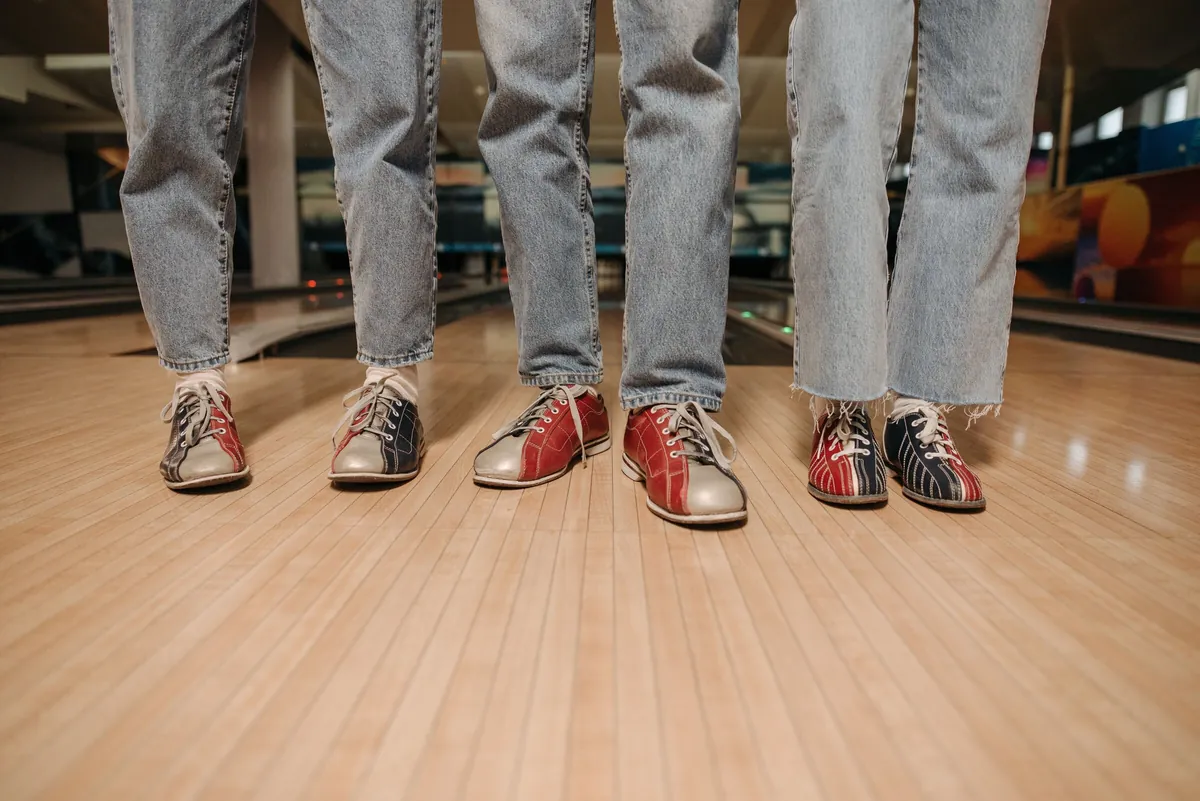
For a game with friends, you don't need to bring anything. Every centre rents out bowling shoes, which are compulsory on the approach, and provides balls of different weights, usually from 6 to 16 lb. Comfortable clothes that leave your arms and legs free to move are all you need. If it's your first visit, read first time bowling.
Your own equipment becomes worthwhile as soon as you bowl more than once a month or join a league. The reason is not prestige but consistency: a ball drilled for your hand and shoes that always slide the same way remove two sources of variation from one game to the next.
| Item | Occasional casual bowler | Regular bowler | Competitor |
|---|---|---|---|
| Shoes | Rental | Entry-level pair of your own | Model with interchangeable soles |
| Ball | House ball | 1 drilled ball (reactive or urethane) | Several balls + spare ball |
| Bag | — | 1-ball bag | 2- to 4-ball roller bag |
| Accessories | — | Towel, grip | Cleaner, abrasives, inserts, wrist support, tape |
Which ball should you buy first?
Your first ball of your own must above all be drilled to fit your fingers. It is this custom drilling, more than the material, that transforms your game: the thumb comes out cleanly, the hand relaxes and the release becomes consistent. Choose the weight so that you can bowl three games without getting tired, not to hit harder.
For a bowler who throws a straight ball, a polyester ball drilled for your hand is a good start and will remain useful as a spare ball. For a bowler who is starting to hook the ball, an entry-level reactive ball offers far more possibilities. Weight, materials, cores and prices are covered in detail in our dedicated guide: how to choose a bowling ball.
Should you buy your own shoes?
Yes, it is often the first recommended purchase, because it is more affordable than a ball and it improves both hygiene and consistency. Rental shoes have two sliding soles, so they suit right-handers and left-handers alike. A pair of your own, on the other hand, has a sliding sole under your sliding foot and a braking sole under the other foot, which stabilises your approach.
Entry-level models are more than enough for a regular bowler; high-end models have interchangeable soles and heels so you can adapt your slide to each approach. It is all explained in bowling shoes.
Which bowling bag should you choose?
Choose your bag according to the number of balls you carry. A ball often weighs between 6 and 7 kg; two balls and a pair of shoes quickly add up to more than 15 kg.
- 1-ball bag: compact, carried by hand or on the shoulder, with a compartment for your shoes. Ideal for beginners.
- 2-ball bag: available as a tote (heavy) or with wheels. Suits a bowler who adds a spare ball.
- 3-ball or larger roller bag: for competitors, with stackable modules and room for accessories.
Don't leave your ball in the boot of a car in full sun. Intense heat, common in summer in Morocco, and sudden temperature changes can crack the coverstock of a reactive ball.
Which accessories are genuinely useful?
Of the many accessories on offer, a few are genuinely helpful:
- Microfibre towel: wipe the ball between shots to remove the oil it picks up from the lane. It is the most useful and cheapest accessory.
- Ball cleaner: a dedicated product, used after the session, removes the oil absorbed by the coverstock and preserves a reactive ball's reaction. Don't use household cleaners or pure alcohol, which can damage the surface.
- Finger and thumb inserts: these rubber or plastic sleeves, fitted in the holes during drilling, improve feel and are replaced when they wear out.
- Thumb tape: it adjusts how snug the thumb hole feels, which varies with the heat and with how much your fingers swell during a session.
- Rosin bag or grip powder: it absorbs sweat from your hand. Use it away from the approach, never on your soles.
- Wrist support: a brace or reinforced glove keeps your wrist straight during the swing. It helps bowlers whose wrist breaks at release and relieves weak wrists.
- Abrasive pads: for advanced bowlers only, they change the surface of a reactive ball to make it grip the lane more or less.
In what order should you buy your equipment, and for what budget?
The most logical order for an improving bowler: shoes, then a drilled ball, then a bag, then accessories as and when you need them. The price ranges below correspond to prices commonly seen on the European market; they are given as a rough guide and vary with brands, promotions and import costs.
| Equipment | Typical budget (€) |
|---|---|
| Entry-level shoes | 50 – 90 |
| Polyester ball (excluding drilling) | 60 – 120 |
| Entry-level reactive ball (excluding drilling) | 120 – 200 |
| 1-ball bag | 30 – 60 |
| 2- to 3-ball roller bag | 80 – 180 |
| Towel, cleaner, tape | 10 – 30 |
| Wrist support | 20 – 60 |
In Morocco, specialist equipment is still hard to find: the Tamaris Bowling pro shop in Casablanca sells balls, shoes and accessories, and a technician there drills balls to fit your hand. It is the simplest option, because drilling has to be done by a professional anyway, with you present so your hand can be measured. Before buying, ask league bowlers for advice: the ASBM (Association Sportive du Bowling Marocain, the Moroccan Bowling Sports Association), a pioneer of bowling in Morocco, brings bowlers together every week at the Megamall in Rabat and has a section in Tangier.
How do you look after your equipment?
- After every session: wipe the ball and apply a suitable cleaner; store your shoes in their compartment, away from water and dust.
- Regularly: check the condition of the inserts and the thumb hole, and replace worn parts.
- For reactive balls: resurfacing by a specialist, and sometimes extracting the absorbed oil, extend the life of the ball's reaction.
- For shoes: never walk outside in your bowling shoes; a wet or damaged sole no longer slides properly and can cause a fall.
Ready to try out your new equipment? Find a lane in the list of bowling centres in Morocco, for example in Casablanca or Rabat.
Frequently asked questions
Do you need to bring your own equipment to go bowling?
No, for casual bowling the centre provides shoes and balls. Your own equipment becomes useful when you bowl regularly or in a league.
What should you buy first for bowling?
Shoes are often the first recommended purchase, as they are affordable and make your slide more consistent. A ball drilled for your hand comes next, and it is what helps you improve the most.
What is a wrist support for in bowling?
It keeps your wrist straight and firm during the swing and the release. It helps bowlers whose wrist breaks at the moment of release and relieves weak wrists.
How do you clean a bowling ball?
Wipe it with a microfibre towel between shots, then apply a dedicated ball cleaner after the session. Avoid household cleaners and pure alcohol, which can damage the coverstock.
How much does bowling equipment cost?
To get entry-level kit (shoes, a drilled ball, a 1-ball bag), expect to spend roughly a few hundred euros on the European market. Prices vary with brands and import costs; we do not know the prices charged in Morocco.
Sources and references